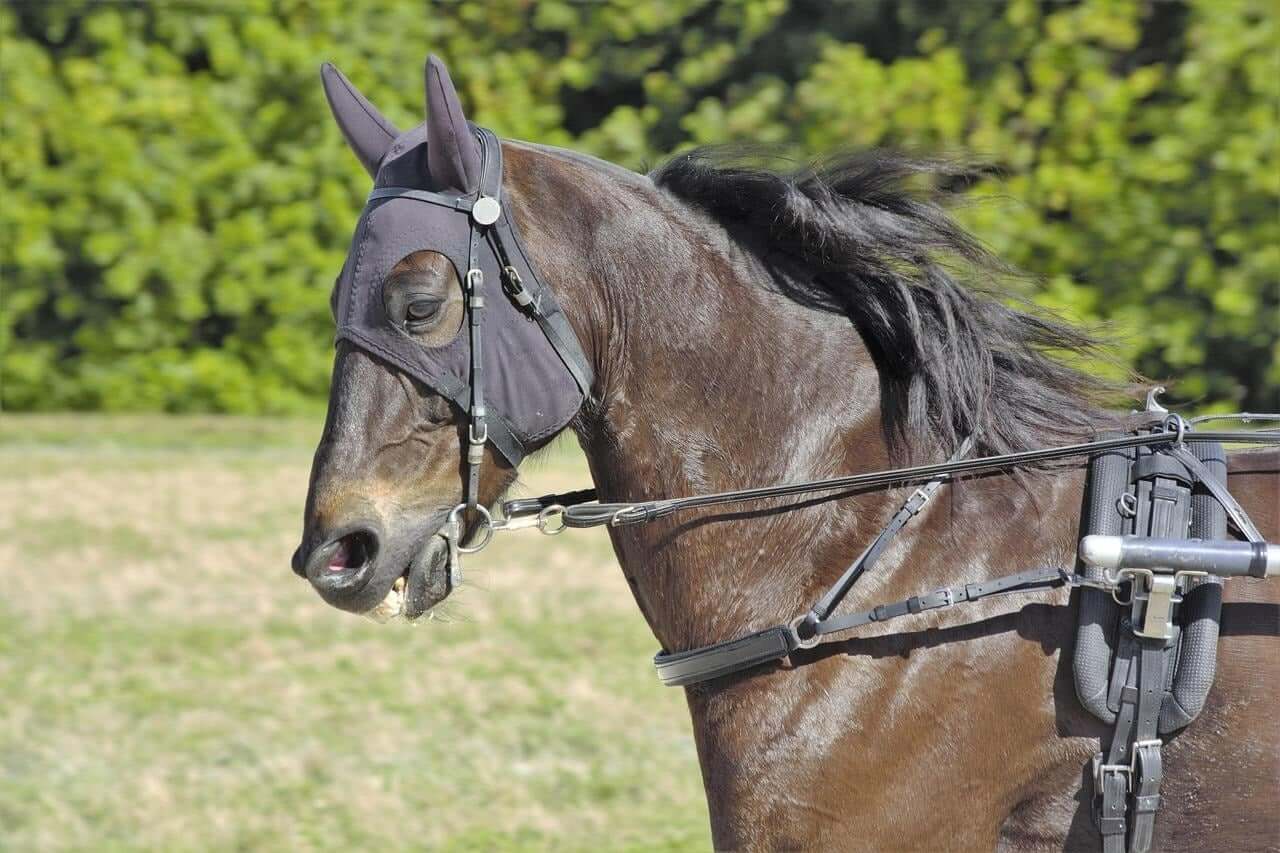
Horse racing remains one of the world’s most captivating sports, with the unique ability to attract global audiences and international visitors. In recent years, countries like the United Arab Emirates and Saudi Arabia have invested massively in the sport, transforming it into a powerful mix of entertainment, tourism, and economic growth.Nigeria is now positioning itself to follow a similar path. With a long-standing relationship with equine sports, the country is gradually reawakening interest in horse racing. While African races may not yet rank among the most popular for international betting platforms, the direction Nigeria is heading suggests an exciting future.So, what does horse racing look like in Nigeria today, and how is the nation preparing for long-term success?A Rich History Rooted in Tradition.
Horse racing has deep historical roots in Nigeria. Long before modern sporting structures, elite gatherings in places such as Bida and Hadejia featured horse racing as a symbol of prestige and celebration among influential figures.The sport formally gained prominence in the 19th century during the colonial era, with the Lagos Race Course serving as a major venue for organized races. Even earlier, horse racing was an integral part of cultural festivities like the Durbar Festival, where races were staged as part of grand celebrations. This connection means horse racing has been woven into Nigerian heritage for centuries.Lagos Polo Club: The Foundation of Equine SportsThe Lagos Polo Club stands as one of the most important landmarks in Nigeria’s equine history. Established in 1904, it is the oldest equine club in the country. While it once hosted horse racing events, the club is now more widely recognized for polo, which dominates its modern sporting calendar.The club operates an active season from November to June, featuring hundreds of competitive matches. Its flagship event, the Lagos International Polo Tournament, held between February and March, attracts large crowds from across Nigeria and remains a major highlight on the sporting calendar.
Renewed Efforts to Revive Horse Racing. In recent years, deliberate steps have been taken to restore horse racing to national relevance. Central to this revival is the Horse Racing Federation of Nigeria (HRFN), which has drawn inspiration from global success stories such as Japan and Hong Kong.Nigeria’s ambition is to create a competitive and internationally respected racing environment, offering safe tracks, attractive prize money, and structured events. Encouragingly, national racing festivals like the Renewed Hope International Horse Racing Festival and the Sahel Savannah Series have already generated strong interest.These events have welcomed participants from beyond Nigeria’s borders, strengthening the belief that the country is quickly emerging as one of Africa’s fastest-growing horse racing destinations.
The Role of Government and Economic Potential: Government involvement has played a crucial role in the success of horse racing industries worldwide, and Nigeria is beginning to follow this model. The National Sports Commission recognizes the sport’s potential to stimulate economic activity, boost tourism, and promote social unity.Globally, horse racing has proven to be a powerful economic driver. In countries like the United Kingdom, the industry contributes billions to the economy and supports tens of thousands of jobs. While Nigeria is still at an early stage, similar benefits could emerge through sponsorships, hospitality, media, and tourism—just as seen with international spectacles like the Dubai World Cup and Saudi Cup.
Looking Forward: Big Dreams, Steady Steps. Emerging racing nations continue to prove that global success is achievable with patience and structure. Japan’s rise to international prominence, capped by recent elite-level victories, offers a roadmap for countries with long-term vision.Nigeria’s ambition is to eventually compete on that global stage. While producing a world-class champion may take years, increasing exposure is a vital first step. The appearance of a Nigerian-trained horse at major international races such as the Dubai World Cup would significantly elevate Africa’s racing profile.Though the journey ahead is long, the foundations being laid today suggest that Nigeria’s presence in global horse racing may one day move from aspiration to reality.