
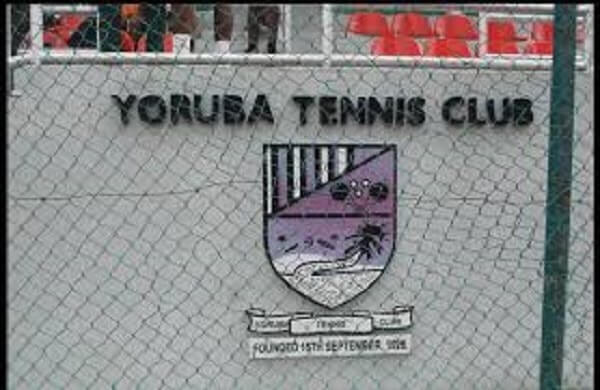
The historic Yoruba Tennis Club (YTC) in Onikan, Lagos, recently added intellectual depth to its 100-year anniversary celebrations with a memorable centenary lecture that resonated far beyond the boundaries of sport and social recreation.Founded in 1926, the Yoruba Tennis Club stands today as one of Nigeria’s oldest and most distinguished indigenous social institutions. For a century, it has served not only as a hub of lawn tennis and social fellowship but also as a crucible of culture, leadership, and civic engagement, a legacy proudly captured in the centenary theme, “A Century at the Forefront of History and Tradition.”A Lecture for the Times.
On Sunday, the club’s centenary lecture drew members, faith leaders, professionals, thinkers, and students to reflect deeply on the state of the nation. The event, which was part of the club’s anniversary programme, reaffirmed YTC’s long-standing commitment to intellectual engagement and moral reflection. The discourse centred on the timely theme, “The Crisis of Values and the Need for Spiritual Renewal in Nigeria,” calling participants to consider how heritage, leadership, and ethical consciousness can shape national progress. Spiritual Leadership at the ForefrontThe lecture was delivered by Sheikh Abdallah Akinbode, Chief Missioner of Jamahliy Worldwide, who used the occasion to highlight the deep connections between spiritual consciousness, ethical values, and societal transformation.Speaking with conviction, Sheikh Akinbode emphasized that Nigeria’s challenges from insecurity to economic hardship and corruption cannot be solved through leadership changes alone. Instead, he argued, “The system is our problem,” and true transformation must begin with personal responsibility and moral renewal.He urged Nigerians to embrace love, unity, and compassion, and called on the affluent to help lift those in need, emphasising that compassionate action can spark broader societal transformation.
A Call for Ethical Citizenship: The lecture also highlighted the urgent need for collective moral introspection. Sheikh Akinbode encouraged attendees to reject division, embrace ethical conduct, and uphold values that foster national cohesion and development.In a world marked by rapid change, he reminded the audience that ethical foundations and spiritual renewal are essential components of national progress — a message that resonated deeply with guests and club members alike.
Club Leadership Reflects on Legacy: Speaking at the event, Olawunmi Gasper, Chairman of the Yoruba Tennis Club, described the lecture as a major highlight of the club’s centenary year. He underscored that YTC’s influence extends beyond sport and celebration, noting that it has long been a respected platform for intellectual discourse, national reflection, and leadership development.Gasper reaffirmed the club’s commitment to preserving its rich history, tradition, and cultural values, pointing out that the century-long milestone reflects YTC’s enduring legacy and relevance in shaping Nigeria’s social and intellectual landscape.
What This Means for the Future:The centenary lecture did more than commemorate a milestone, it reinvigorated dialogue on values, cultural identity, and collective responsibility. In an era of complex social challenges, the Yoruba Tennis Club’s decision to foreground ethical reflection , especially during its 100th anniversary , underscores the institution’s unique role in Nigerian society.By combining tradition with thoughtful discourse, YTC is setting a powerful example of how social clubs can contribute meaningfully to national conversation and cultural renewal.The lecture also served as an invitation to youth, professionals, and civic leaders to engage critically with issues of governance, ethical behaviour, and cultural identity — not just as spectators, but as active contributors to national progress.In ConclusionAs the Yoruba Tennis Club continues its centenary celebrations, this remarkable lecture stands out as a reminder that history and tradition are not only to be honoured, they are to be interrogated, learned from, and used as foundations for building a more just and unified society.Long may the club continue to serve as a space where culture, intellect, fellowship, and civic engagement enrich Nigeria’s social fabric.